Design with Character: Practical Uses for Cutty Stool Vector Illustrations
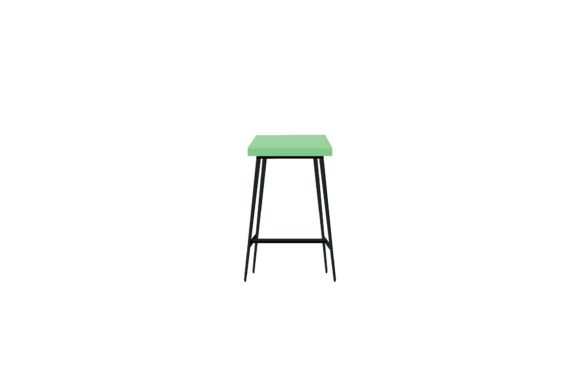
When you are building a visual identity, the supporting elements are just as critical as the primary logo. While typography often gets the spotlight, high-quality vector art provides the texture and personality that make a brand feel tangible. I recently came across the Cutty Stool Vector Illustrations pack, and it stands out as a distinct set of design assets that fills a specific niche in the market. It is not just a collection of random shapes; it is a cohesive theme built around the classic, rustic aesthetic of the cutty stool—a low, armless wooden chair often associated with warmth, history, and craftsmanship.
The visual style of this collection leans heavily into a vintage, hand-crafted feel. If your project requires a sense of authenticity or a "lived-in" quality, these vectors work exceptionally well. The illustrations capture the grain and form of wood, making them perfect for brands that want to communicate durability or tradition. Unlike generic clip art, these vectors possess a personality that can elevate a project from looking digital and sterile to feeling organic and grounded.
Practical Applications for Modern Creators
You might wonder where a specific illustration set like Cutty Stool Vector Illustrations fits into a modern workflow. The answer lies in versatility. Because the package includes AI, EPS, SVG, DXF, and raster files (JPG and PNG), you are not limited to one medium. The canvas size of 1920px by 1280px makes these files ready for immediate use in digital layouts, but the vector formats ensure they can be scaled for large-format printing without losing quality.
For packaging design, particularly in the food, beverage, or artisanal goods sectors, these illustrations serve as excellent background elements or focal points. Imagine a coffee roaster using a subtle texture of these stools on their bag labels to reinforce the idea of a cozy café. For editorial design, bloggers and publishers can use these vectors to break up text-heavy pages, adding visual interest that aligns with content about home decor, history, or craftsmanship.
In the realm of web design and social media graphics, the SVG format is particularly valuable. SVGs load faster and render crisply on any screen resolution. You can use these illustrations as hero images, section dividers, or even as part of a larger collage. For entrepreneurs and small business owners, having access to professional-grade art like this saves time and money that would otherwise be spent commissioning custom illustrations.
Integrating Vectors into Your Brand Identity
When building a brand identity, consistency is key. The Cutty Stool collection offers a unified aesthetic that can tie disparate elements together. For instance, if you are using a serif font or a handwritten font for your headers, the rustic nature of these stool illustrations complements that typography choice beautifully. It creates a harmonious visual language where the text and images share the same "temperature"—neither too cold and corporate nor too casual and messy.
Consider the psychological impact on your audience. In a digital landscape dominated by flat design and minimalist interfaces, a detailed illustration can act as a pattern interrupt. It draws the eye and invites the viewer to look closer. This is crucial for engagement. Whether you are designing a wedding invitation, a menu for a farm-to-table restaurant, or marketing materials for a furniture store, these vectors add a layer of depth that flat colors cannot achieve.
Technical Considerations and File Utility
From a technical standpoint, the inclusion of an AI File and EPS Files is a significant advantage for designers using Adobe Illustrator or similar software. These formats preserve the integrity of the paths and nodes, allowing you to customize colors, resize elements, or combine them with other assets seamlessly. The DXF File is particularly useful for those involved in laser cutting or CNC routing, opening up possibilities for physical product creation like wooden signs or stencils.
For those who are not professional designers but need to create content—such as marketers or hobbyists—the PNG File with its transparent background is a lifesaver. You can drag and drop it into tools like Canva or Photoshop without worrying about masking out white backgrounds. This ease of use lowers the barrier to entry, allowing anyone to produce professional looking graphics quickly.
Evaluating Fit for Your Project
Before integrating the Cutty Stool Vector Illustrations into your next project, take a moment to evaluate the fit. Ask yourself if your brand voice aligns with themes of heritage, comfort, or artisanal quality. If your brand is ultra-modern, sleek, and futuristic, this specific style might create a disconnect with your audience. However, if you are aiming for a modern typography look that mixes clean sans-serifs with organic textures, these vectors can provide that perfect contrast.
Think about font pairing as well. Just as you would pair a display font with a readable body copy, you should pair these illustrations with text that doesn't compete for attention. A bold, simple typeface allows the detail of the stool illustration to shine without creating visual clutter. Test the composition at different sizes to ensure the details remain legible, especially if you plan to use the illustrations as small icons or thumbnails.
Ultimately, the value of a design asset lies in how often you reach for it. The Cutty Stool Vector Illustrations offer a timeless subject rendered in versatile formats. Whether you are a crafter looking for a new stencil design, a publisher needing editorial flair, or a designer building a comprehensive brand kit, this collection provides the tools to do so with style and efficiency. It is a practical addition to any creative’s library, bridging the gap between digital convenience and handcrafted charm.