Wind Blows Beach Illustrations Vector: Coastal Design Asset
There’s a specific feeling you get when you step onto a quiet shoreline—the kind where the breeze is steady, the light is soft, and the horizon seems to stretch forever. Capturing that mood in a design project can be tricky. Stock photos often feel generic, and custom illustrations take time and budget you might not have. That’s where a well-crafted visual asset like the Wind Blows Beach Illustrations Vector comes in. It’s not just a collection of palm trees and waves; it’s a designed system meant to bring that coastal calm to your work without the hassle.
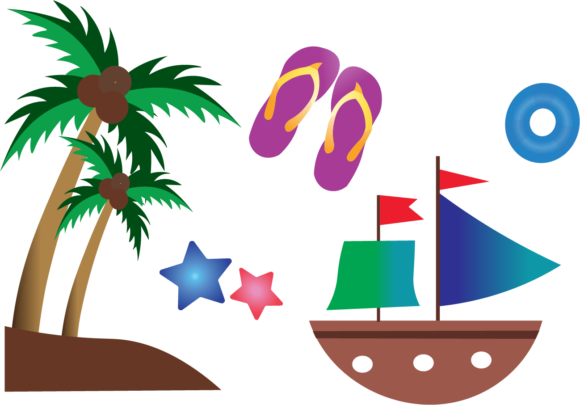
This vector set is built around the idea of movement and tranquility. The illustrations show wind sweeping through beach grass, waves lapping at the shore, and palm fronds bending gently in the breeze. The style is clean and slightly stylized—realistic enough to feel authentic but artistic enough to fit into a modern design layout. The lines are smooth, the shapes are balanced, and there’s a subtle sense of rhythm in how the elements are composed. It’s the kind of visual language that feels both timeless and contemporary, which is exactly what makes it useful for so many different projects.
Where Coastal Vectors Fit Into Real Projects
You might be designing a logo for a surf shop, creating social media graphics for a travel blog, or laying out packaging for a new line of organic skincare. The Wind Blows Beach Illustrations Vector works across these scenarios because it’s built with flexibility in mind. As a premium font or illustration asset, it’s not tied to a single aesthetic. The coastal theme is broad enough to support brands that want to feel relaxed, adventurous, natural, or luxurious—depending on how you use it.
For logo design, the clean vector shapes make it easy to isolate elements and adapt them to different scales. A single palm tree or wave motif can become a recognizable brand mark. In editorial design, these illustrations can set the tone for a magazine spread about beach vacations or coastal living. For packaging design, they add an organic, artisanal quality—think craft paper labels for a seaside café or a natural beauty product line. Even in web design, a subtle background pattern of wind-swept grass can add texture without overwhelming the content.
The real strength of this asset is how it influences the overall feel of a project. Good design isn’t just about looking nice—it’s about guiding the viewer’s eye, creating hierarchy, and evoking the right emotions. The Wind Blows set does this through its composition. The flowing lines naturally lead the eye, while the balanced negative space keeps layouts clean. It’s a practical tool for brand identity work, where consistency and recognition matter. Once you choose a core element from the set, you can use it across business cards, websites, merchandise, and advertising to build a cohesive visual story.
Making It Work: Practical Design Considerations
Choosing the right visual asset is only half the battle. How you implement it determines whether your design feels polished or pieced together. When working with the Wind Blows Beach Illustrations Vector, start by thinking about context. If you’re pairing it with typography, consider a sans serif font for a clean, modern look, or a serif font if you want something more classic and refined. The illustrations have enough detail to stand on their own, so avoid overly decorative typefaces that might compete for attention.
Color is another key factor. The vector files are easy to edit, so you can adjust the palette to match your brand. Muted blues and sandy neutrals keep things serene, while brighter teals and corals can make the design feel more energetic. Test different combinations to see what resonates with your audience. For social media graphics, high-contrast color schemes might grab attention better in a fast-scrolling feed. For a printed brochure, softer tones might feel more appropriate.
Also, pay attention to scale and placement. A large, detailed illustration might work as a hero image on a website, but for a small business card, a simplified element from the same set would be clearer. The included file formats—AI, EPS, SVG, DXF, JPG, PNG—make this easy. Use the vector formats for projects that require resizing, and the raster formats for quick digital use. The consistent canvas size of 1920px by 1280px across all types means you can switch between formats without losing composition or quality.
From Concept to Final Design
Let’s say you’re launching a new coffee brand called “Shoreline Roasts.” You want the packaging to feel warm, natural, and connected to the coast. Using the Wind Blows set, you might choose a single illustration of dune grass for the main label. You pair it with a handwritten font for the product name and a clean sans serif font for the details. The illustration becomes a recurring motif on the bag, the website, and the social media templates. Over time, customers start to associate that visual with the brand—without you needing to overexplain it.
Or maybe you’re a blogger writing about sustainable travel. You use a subtle wave pattern from the set as a background texture on your website. It adds visual interest without distracting from your articles. On Instagram, you create quote graphics using the same wave element, tying your digital presence together. The consistency helps build recognition, and the coastal theme reinforces your niche.
The key is to treat these illustrations as part of a system, not just isolated decorations. Think about how they interact with your typography, color palette, and layout. Test them in different contexts—print a sample, view it on multiple screens, ask for feedback. Design is iterative, and even the best assets need refinement to fit a specific project.
In the end, the Wind Blows Beach Illustrations Vector is a tool. Its value comes from how you use it. Whether you’re a designer, entrepreneur, or content creator, it offers a starting point for building visual stories that feel genuine and engaging. The flexibility of the files, the thoughtfulness of the design, and the clear licensing make it a practical choice for both personal and commercial projects. It’s not about following trends—it’s about finding assets that help you communicate your ideas more effectively.