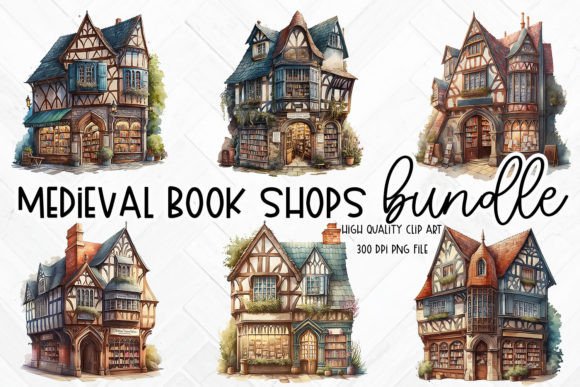
Book Store Clipart: A Designer's Toolkit for Storytelling
The Visual Character of Bookish Art
There's a specific, cozy aesthetic that comes with imagery centered around books. The Book Store Clipart illustrations tap directly into that feeling. Think of the visual personality: stacked hardcovers with spines of varying widths, delicate teacups perched beside an open novel, reading glasses resting on pages, and perhaps a whimsical cat curled up in a patch of sunlight. The style leans towards a modern yet timeless illustration approach—clean lines, a balanced color palette that might include warm creams, deep navy blues, forest greens, and burgundy reds, all rendered with a subtle texture that adds depth without feeling overly rustic or distressed. This isn't just generic "book" art; it’s a curated set of design assets that evoke a sense of quiet intellect, leisure, and the joy of reading.
Where This Aesthetic Truly Shines
The applications for these illustrations extend far beyond simple decoration. Their strength lies in their ability to communicate a specific brand identity or editorial voice. For a small independent publisher or a bookstore, using these images in logo design elements, website banners, or social media graphics instantly builds a recognizable visual language. They work beautifully in packaging design for book-related subscription boxes, bookmarks, or literary-themed merchandise. Imagine a candle company using a stack of books illustration on their "Library" scent label, or a café incorporating a teacup and open book into their menu design. In editorial design, they can break up text-heavy pages in magazines or blogs, adding visual interest and reinforcing the content's theme. The versatility here is a real asset; the same illustration can be part of a sophisticated brand identity system one day and a playful t-shirt graphic the next.
Integrating Illustrations into Your Design Workflow
When you download this sublimation bundle, you're getting high-resolution PNG files—4800 by 3600 pixels at 300 DPI. This is a professional-grade starting point. The large format means you can scale them down for a small favicon or scale them up for a poster without losing quality, a crucial factor for maintaining a polished look. The key is to think of these not as finished designs, but as premium font-style assets—modular pieces you can combine, color-adjust, and arrange. Your design software (whether it's Adobe Photoshop, Affinity Designer, CorelDRAW, or Cricut Design Space) is where the real customization happens.
A practical tip: always test how an illustration interacts with your chosen typeface. A delicate, serif font might pair elegantly with a detailed book stack illustration for a literary journal cover, while a bold, modern sans serif font could balance the whimsy of a reading cat for a children's brand. This process of font pairing and visual composition is where you control the project's tone. Remember the sublimation note: any white in the design will become the color of your substrate. This is a feature, not a bug, allowing the illustration to integrate seamlessly with the material it's printed on, be it a ceramic mug's ivory hue or the natural fiber of a cotton t-shirt.
Making the Most of Your Creative Assets
Before you start a project, consider the core message. Are you aiming for academic prestige, cozy comfort, or playful curiosity? Select and combine the illustrations that best support that narrative. For a cohesive brand identity, you might use one or two key illustrations consistently across all touchpoints—your website header, business cards, and social media profile pictures. This builds recognition. For a one-off project, like a blog post header or a personal craft, you have the freedom to be more experimental, perhaps layering illustrations with textures or creating a unique scene.
Always evaluate the final output. If it's for print, like a mug or pillow, the high DPI ensures sharp details. For digital use, you can optimize the file size while keeping the visual integrity. The commercial license here is straightforward, empowering entrepreneurs and creators to use these assets in products for sale, which is a significant advantage. This isn't just clipart; it's a toolkit for building visual stories that resonate with book lovers, learners, and creatives alike. By treating these illustrations as core components of your design system, you elevate your work from simple graphics to meaningful visual communication.